The wedding ring's exact origin is uncertain, but historians trace it to ancient Egypt — simple circular bands, first made of hemp and reeds, meant to signify a bond without end. The circle's endless line represented eternal devotion; its open center, the unknown road ahead.
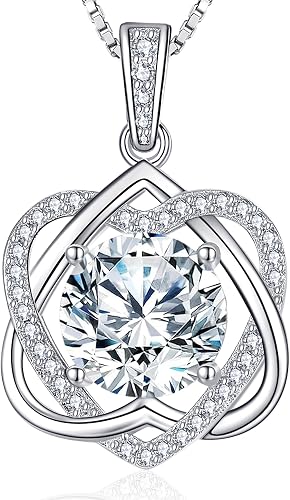
As centuries passed, materials shifted from reed to ivory, leather, and eventually metal — lead in Rome, brass and copper elsewhere, until gold became the standard. Gemstones carried their own meanings: ruby for the heart, sapphire for the heavens, and diamond for its unmatched durability, a fitting symbol for a bond meant to last.
The vena amoris — the vein of love.
The ring's place on the third finger of the left hand traces back to an ancient (later disproven) belief that a vein there led straight to the heart. The custom outlived the myth — and the double-ring ceremony, popularized during World War II, remains one of the tradition's more recent, still-tender additions.